Understanding dynamic number insertion – a complete guide


You know exactly which Google advert someone clicked before filling out a form on your website. You can see the precise search term that led them to download your brochure. But when someone picks up the phone and calls you? That’s often a complete mystery.
For many businesses, phone calls are your most valuable conversions – yet they’re also the hardest to track. Dynamic number insertion (DNI) solves this problem by connecting every call back to the marketing activity that generated it, finally giving you the full picture of what’s actually working.
What is dynamic number insertion?
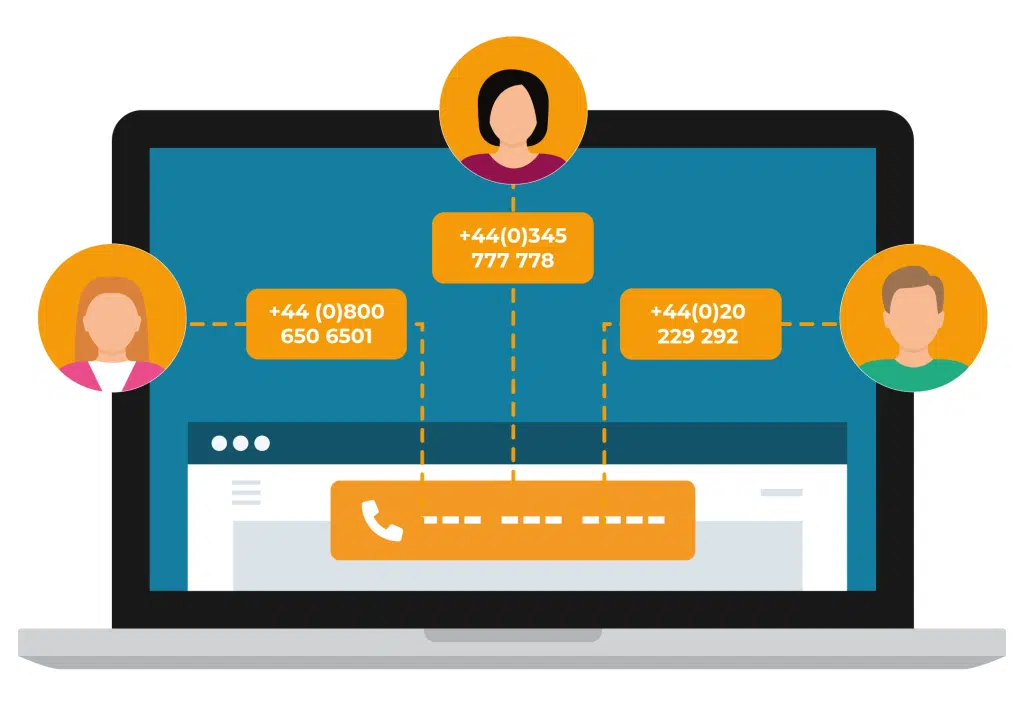 Dynamic number insertion is a call tracking technology that displays different phone numbers to different website visitors based on how they arrived at your site. Rather than showing a single static number to everyone, it assigns unique tracking numbers from a pool to each visitor session. This simple but powerful approach creates a direct link between every phone call and the marketing source that generated it.
“Think of it as giving each visitor their own personalised phone number during their visit,” says Faye Thomassen, Head of Marketing at Mediahawk. “When they call that number, you instantly know their entire journey: the Google advert they clicked, the pages they browsed, the time they spent on your site, and even which specific search terms brought them there.”
How does dynamic number insertion track calls?
The technology behind dynamic number insertion is surprisingly straightforward to implement. Here’s what happens:
- You add a small piece of code to your website. This is typically done through your content management system, Google Tag Manager, or a simple plugin. Once installed, you’re assigned a pool of tracking numbers (also known as a dynamic campaign).
- A visitor arrives on your site. The technology instantly identifies where they came from, whether that’s Google Ads, organic search, social media, email, or any other channel.
- They see a unique phone number. A tracking number from your pool is dynamically displayed throughout the site during their session (this behaves like a cookie). The tracking number replaces your default contact number on every page they view, but it’s completely seamless from your visitor’s perspective.
- They make the call. When someone phones you, the system immediately connects that call to their whole journey. You can see exactly what drove them to contact you.
- Their journey is tracked. As they browse, every interaction is logged against the phone number. Pages viewed, time spent on site, calls made, content downloaded, forms submitted – it all builds a picture of their interests and intent.
- Returning visitors are recognised. If the same person comes back to your site days or weeks later, the system links their new session to their previous activity, giving you a complete view of their journey across multiple visits. You can even track post-visit calls (when someone writes down your phone number and calls back at a later date).
Why dynamic numbers are vital to marketers
 Dynamic number insertion delivers benefits that go far beyond simply knowing which campaign generated a call.
100% marketing attribution across all channels
Dynamic number insertion removes the guesswork from your marketing analytics. You’ll know exactly whether a phone enquiry came from a PPC campaign, organic search, social media, or any other channel. Even better, when you connect call tracking to your customer relationship management (CRM) system, you can follow those calls all the way through to closed deals and revenue.
This clarity is invaluable for understanding real campaign performance, customer acquisition costs, and which marketing activities deliver the best ROI.
Full customer journey visibility
Most people don’t buy the first time they visit your site. They browse, leave, come back, and compare options. Dynamic number insertion tracks all of this, showing the full journey from initial research to phone call and eventually sale. You’ll see which content keeps visitors engaged, where they get stuck, and how your channels work together. It’s insight that helps you improve everything, not just individual campaigns.
Improved ROI and budget allocation
When you know which campaigns generate the most valuable calls – and which of those calls turn into actual sales – you can allocate budget with confidence. Maybe your branded search terms drive lots of calls, but competitor keywords bring higher-value enquiries that close more often. Without tracking calls from enquiry to revenue, you’d never know.
Clearer attribution for organic channels
Dynamic number insertion can be used alongside static call tracking to give a clearer view of calls from organic sources, including search results and your Google Business Profile. Your main business number remains visible to search engines, while call tracking captures the data you need to understand how organic channels drive enquiries and conversions.
Gain precise ROI analysis for campaigns and keywords
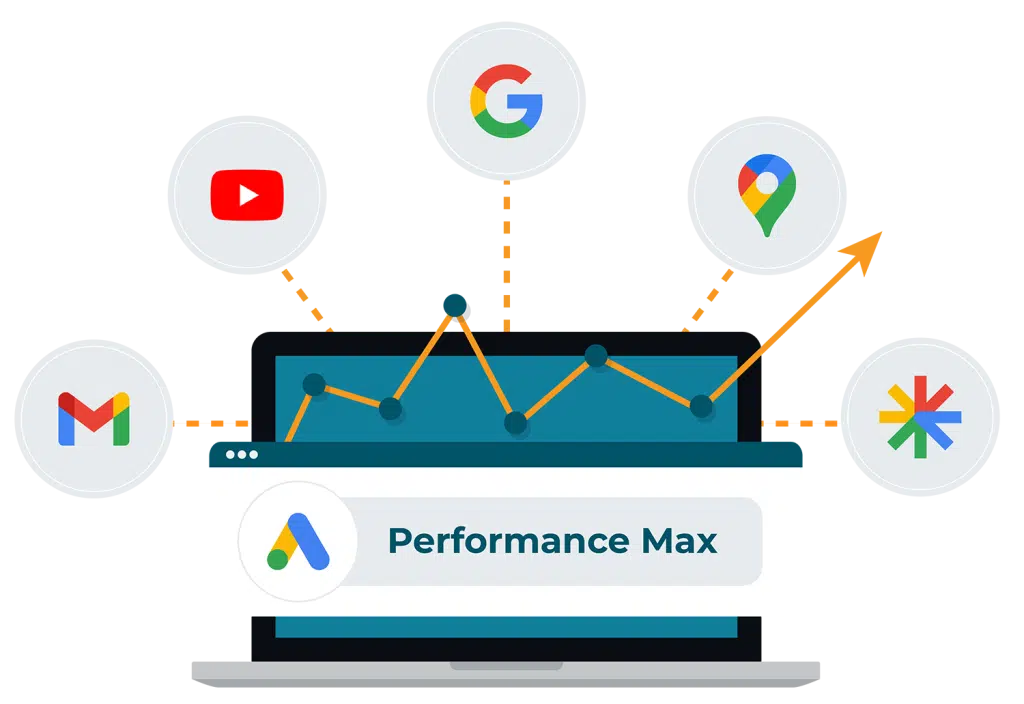 With dynamic number insertion in place, you can see exactly which paid search campaigns and keywords are driving phone calls, not just clicks. This insight shows which search terms generate high-value enquiries and which lead to low-quality calls, so you can improve conversion rates through better targeting. By linking calls back to specific ads, campaigns, and keywords, your team can fine-tune bids, messaging, and audience targeting to boost ROI.
Over time, this means less wasted ad spend, and more calls that are likely to convert into revenue.
Connected marketing insights
Integrating with tools like Google Ads, GA4, and your customer relationship management (CRM) system, dynamic number technology gives you a unified view of your marketing performance. Call data flows straight into the systems you already use, so you can track every interaction from first click to sale, measure ROI accurately, and make smarter decisions across campaigns and channels.
Improved customer experience
Dynamic number insertion gives your team instant context before they answer the phone – things like which campaign brought the caller, what pages they visited, or whether they’ve visited before. Used in conjunction with dynamic call whisper, your team hears a quick prompt such as “Google organic” or “PPC” as the call comes in. Add features like Speech Analytics into the mix, and they can get straight into a relevant, personalised conversation that feels smoother for the customer and helps increase conversions. It also provides actionable insights to refine messaging and improve the overall user experience.
How to use dynamic number insertion in practice
From campaigns to content, dynamic number insertion helps you see what’s actually driving calls. These examples show how it can guide your decisions:
- Multi-channel campaigns
If you’re running Google Ads, Facebook ads, email and everything in between, dynamic number insertion helps you see which channels actually drive the best calls. Not just the most clicks. - Local marketing
If you have multiple locations, you can see which areas generate the most enquiries, and which local tactics are genuinely working, instead of just assuming. - Seasonal campaigns
Campaigns behave differently at different times of year. With dynamic number insertion, you can compare peak and quieter periods and plan your marketing calendar with data, not guesswork. - Content marketing
Not all content is equal. This shows you which blogs, guides or resources actually lead to sales conversations, rather than just page views and polite interest.
Connect phone calls to your marketing stack
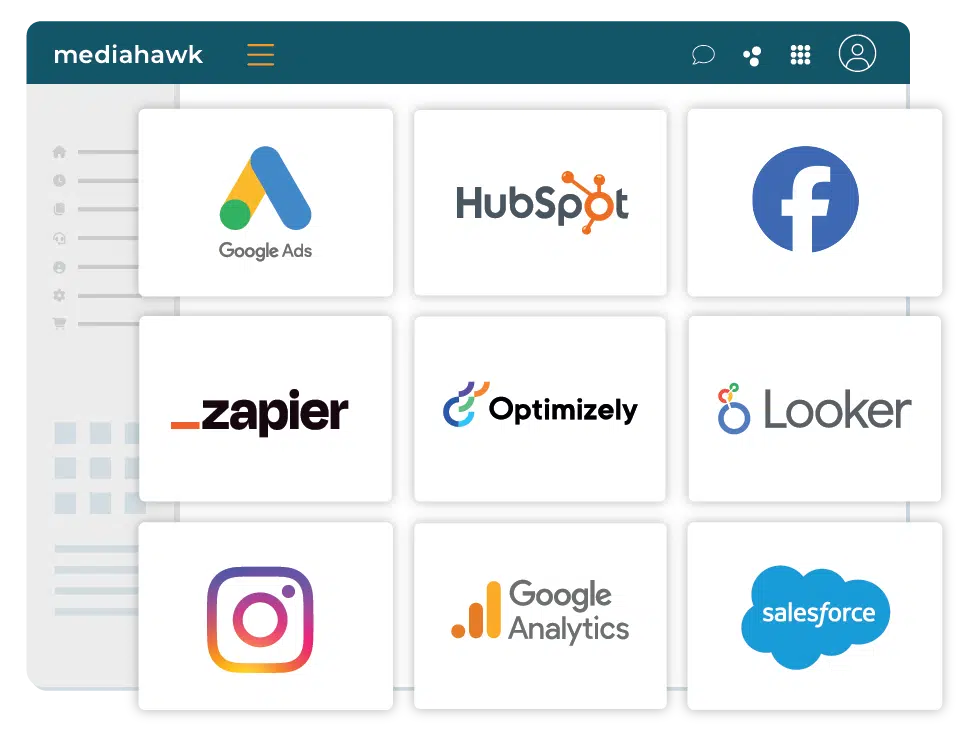 “A big advantage of dynamic number insertion is how easily it fits into the tools you already use,” explains Faye. “It connects with Google Ads, Google Analytics, Salesforce, HubSpot, and more.
Once it’s in place, you get one view of your marketing performance – with call data feeding straight into your reports. That means you can follow the full journey from first click to sale, and see the real return on every pound you spend. Setup is quick, too, and you can start seeing insights straight away.”
Making the most of dynamic number insertion
Once dynamic number insertion is live, the real value comes from how you use it. Start simple: the steps below will help you get started successfully without feeling overwhelmed.
- Check your number pool is right for your traffic
The size of the number pool is important. Too small, and calls can get linked to the wrong session. Your number pool should automatically expand as traffic increases, so that your data and reporting remain reliable. - Decide what success looks like
Agree on the metrics that matter most, for example call volume by source, revenue your online marketing activity, or conversion rate by landing page. Starting off with a small set of clear goals keeps your reporting focused. - Use call insights in conversations
Brief your sales or customer service teams on how to use caller info. Even simple details, like knowing the caller came from PPC and visited a pricing page twice, gives them a head start. - Review performance regularly
Look for patterns weekly or monthly. Which campaigns generate high-quality calls? Which landing pages convert best? Use this insight to shift budget or refine messaging. - Treat it as a testing tool, not just a reporting tool
Test small changes, such as headlines, CTAs, or landing pages, and check the impact on calls. Dynamic number insertion helps you measure the real effect of tweaks on actual conversions.
Conclusion
Dynamic number insertion turns phone calls into something you can actually measure and learn from. When you can see the full journey from first click to conversation, you can make better decisions about where to spend your budget and what to prioritise.
If calls play a big part in how you win business, this isn’t just a nice-to-have. It gives you clarity, proof, and confidence in your marketing. And it helps you understand what genuinely drives people to pick up the phone.

Discover how Mediahawk transforms your marketing performance. Book a demo to see how dynamic number insertion gives you complete visibility into which campaigns are driving your most valuable phone calls.