What is call tracking and how does it work?

Written by Natalia Selby

- Brief summary
- What exactly is call tracking?
- How do you track your inbound calls?
- Understanding call tracking technology methods
- What does call tracking do?
- What are the benefits of call tracking?
- Benefits of call tracking across your organisation
- Call tracking regulations and compliance
- Integration with analytics and CRM platforms
- Calculating your tracking number requirements
- AI-powered call insights and privacy-first tracking
- Call tracking shapes the bigger picture on ROI
Most businesses and marketers measure success based upon a series of digital analytics, such as organic visits, page views, and – obviously – goal conversions.
Only doing this means you might be severely underestimating your leads and enquiries. It’s safe to say we spend the most part of our day on the internet, but not all business is scored online. Many people still pick up the phone, and this is major source of new leads.
Call tracking software tells you which of your marketing efforts are successfully generating calls, and which are failing. Call tracking is also useful for your SEO.
Brief summary
- Call tracking is marketing analytics technology that monitors incoming phone calls to understand which campaigns, channels, and touchpoints drive telephone enquiries and conversions
- Many businesses underestimate leads by only measuring digital analytics – phone calls often represent the highest-value conversions that aren’t captured by standard website tracking
- Technology assigns unique phone numbers to different marketing sources, allowing attribution of calls back to specific campaigns, keywords, advertisements, or website visits
- Multiple tracking methods are available – static numbers for offline ads, dynamic insertion for websites, session-based tracking for detailed attribution, and visitor-level tracking for complete customer journeys
- Benefits can span the entire organisation – marketers get complete attribution clarity, sales teams receive lead context and prioritisation, and customer service gains operational efficiency insights
- AI-powered insights go beyond basic counting – speech analytics automatically analyses conversations for keywords, sentiment, outcomes, and conversion indicators in real-time
- Integration creates unified reporting – seamlessly connects with Google Analytics, CRM systems, marketing automation platforms, and advertising platforms for complete attribution
- Compliance requires explicit consent – UK GDPR and Data Protection Act 2018 mandate clear caller consent for recording and data processing with defined retention policies
- Number requirements depend on traffic – session-based tracking needs 100-300 numbers for most businesses, while simpler channel-based tracking requires only 10-20 numbers
- Privacy-first tracking is essential – modern solutions use advanced consent management and data minimisation while providing insights that respect caller privacy expectations
- True ROI measurement becomes possible – fills gaps in lead generation data by connecting phone conversions to marketing spend, enabling accurate budget allocation and campaign optimisation
What exactly is call tracking?
Call tracking is a marketing analytics technology that monitors, manages, and analyses incoming phone calls to understand which marketing campaigns, channels, and touchpoints drive telephone enquiries and conversions.
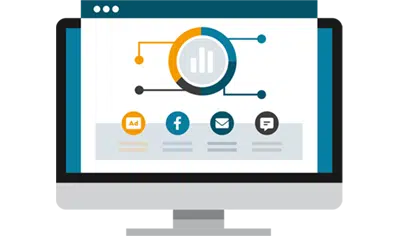
While digital analytics show you website behaviour, call tracking reveals which online activities ultimately lead to phone conversations – often your highest-value conversions.
The technology assigns unique phone numbers to different marketing sources, allowing you to attribute phone calls back to specific campaigns, keywords, advertisements, or website visits.
This creates a complete picture of how customers move from initial awareness to conversion.
AI-powered platforms like Mediahawk provide detailed insights into call duration, outcomes, conversation content, and caller intent, transforming phone calls from unmeasurable interactions into rich data sources.
For businesses where phone calls represent significant revenue – from professional services, to care homes and car dealerships – call tracking becomes essential for accurate ROI measurement and marketing budget allocation.
How do you track your inbound calls?
Your business phone number is probably everywhere – on your website, in magazines, across Google Ads, maybe even on out of home advertising or local directories.
But how do you know which of these channels is generating calls to your business? How are you tracking phone call conversions? And how do you know which calls lead to sales? Here’s a quick look at how call tracking solves that.
Here’s an example:
I spot a damp patch in my house and need an expert fast. I search for ‘damp specialist’ on Google and see ClearWall Damp Care at the top with a phone number. I could call that number straight from the ad, or click through to their site to check reviews before calling.
If I ring them directly from the ad, they can’t tell a sale came from their PPC campaign. They might even think their ads aren’t working and cut spend – a costly mistake.
Even if I do click through first, without call tracking they still won’t know which keyword made me click and then call. They’ll only see clicks, not the calls or revenue those clicks generated.
That’s where call tracking comes in.
By assigning a unique phone number to each campaign, the software captures the full picture: which ad was clicked, which keyword triggered it, and which call led to a sale. You see real ROI – calls as well as clicks – and can invest with confidence.
Understanding call tracking technology methods
Call tracking technology can work in several ways, each offering a different depth of insight and attribution.
- Static tracking numbers
Each offline advertisement (print ads, radio, billboards) or online channel (email newsletters, social media) gets its own dedicated number. This works well when the source is fixed and easy to identify. - Dynamic number insertion (DNI)
For websites, dynamic tracking automatically swaps phone numbers based on how a visitor arrives.- Channel-level: shows which marketing channels – paid search, social, email – drive calls.
- Session-level: assigns a unique number to each visitor session, linking calls to specific keywords, ads, or pages for full campaign detail.
- Visitor-level: tracks the entire customer journey across multiple visits and touchpoints, including first- and multi-touch attribution.
- Call-back functionality
Lets visitors request an immediate call instead of filling out a form – ideal for high-intent prospects.
The right method depends on how complex your marketing is. Simple setups may only need static tracking, while multi-channel campaigns usually gain the most from visitor-level dynamic tracking.
What does call tracking do?
But how does it do this? Imagine that ClearWall Damp Care is running three marketing campaigns for their site.
- They’re running an online PPC campaign that is driving traffic to their website
- They’ve paid for an advert in local directories
- And they’re also advertising on the side of local buses.
By setting up call tracking they can compare enquiries from all three channels.
| Campaign | Cost | Enquiries |
| Pay per click advertising | £1,500 | 10 |
| Local directories | £1,000 | 2 |
| Side of the bus campaign | £2,000 | 0 |
Call tracking data allows them to see which campaigns are generating conversions. They can see the time and dates of each call. More importantly, they can track the return on investment (ROI) of each marketing channel.
It’s clear from the table that the side-of-the-bus advertising hasn’t been working well. They might want to stop doing that and redirect their spend into pay-per-click advertising instead where they’ll generate more enquiries.
What are the benefits of call tracking?
With call tracking you can monitor which areas of your marketing – digital and offline – are performing well and which areas need improvement.
Call tracking works well for:
- Organic search engine traffic: you’ll be able to determine which landing pages are generating calls to your business.
- Pay per click campaigns: you can see which keywords and adverts work best.
- Digital advertising campaigns: By using a different telephone number on each ad you run, it’s possible to see which display adverts perform best, too.
Alongside this data collation, you’ll be able to review calls, providing you with insight on your company’s customer service. This will highlight improvements that your sales team can make when handling inbound calls.
Benefits of call tracking across your organisation
Call tracking delivers value across multiple departments, not just marketing teams.
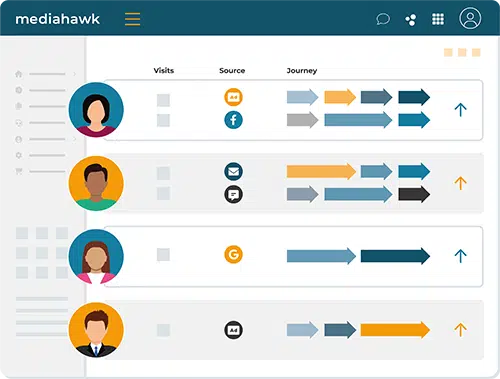 For marketers, call tracking provides:
- Complete attribution clarity: Understand which campaigns, keywords, and channels drive valuable phone enquiries
- Accurate ROI measurement: Calculate true return on investment by including phone conversions alongside digital metrics
- Optimised budget allocation: Redirect spend from underperforming channels to those generating quality calls
- Enhanced A/B testing capabilities: Test different phone numbers, call-to-actions, and landing pages to improve call conversion rates
- Deeper customer insights: Understand prospect concerns, objections, and preferences through speech analytics
For sales teams, call tracking enables:
- Performance analysis: Identify which marketing sources deliver the highest-quality leads
- Lead prioritisation: Understand caller intent and journey before answering the phone
- Improved conversion rates: Access to caller context helps sales teams tailor their approach
 For contact centres and customer service, call tracking provides:
- Operational efficiency insights: Understand call volume patterns and peak times
- Agent performance analysis: Identify training opportunities based on call outcomes
- Service quality monitoring: Ensure consistent customer experiences across all touchpoints
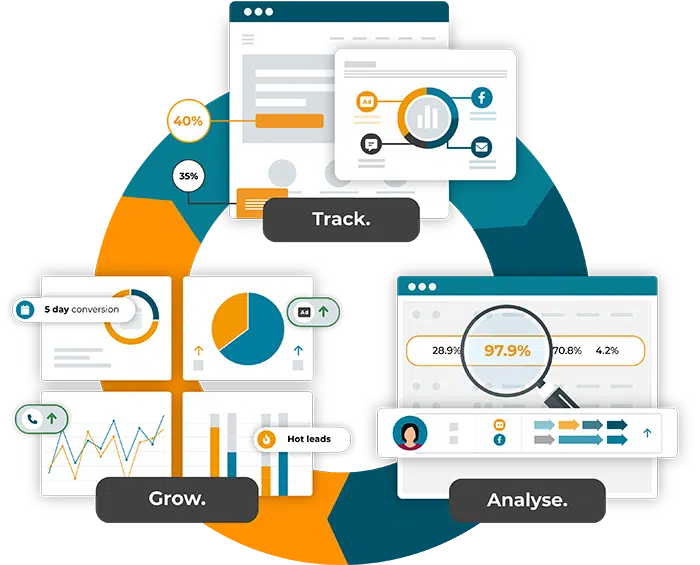
This comprehensive view transforms call tracking from a marketing tool into a business intelligence platform that drives growth across the whole organisation.
Call tracking regulations and compliance
UK call tracking must comply with strict data protection regulations that affect how you collect, store, and use call data.
The Data Protection Act 2018 and UK GDPR require explicit consent for call recording and data processing. This means clearly informing callers that calls may be recorded for training and monitoring purposes, and obtaining their consent before recording begins.
Consent requirements extend to data sharing with third-party platforms like Google Analytics or CRM systems. Your privacy policy must clearly explain how call data is collected, processed, and shared with other systems.
Data retention policies must be clearly defined. Call recordings and associated data cannot be stored indefinitely – establish clear retention periods that balance business needs with privacy requirements.
When sending call data to Google Analytics or other platforms, ensure you have appropriate legal basis for this data sharing.
Working with reputable call tracking providers like Mediahawk ensures your implementation meets current regulatory requirements while providing the insights you need for effective marketing measurement.
Integration with analytics and CRM platforms
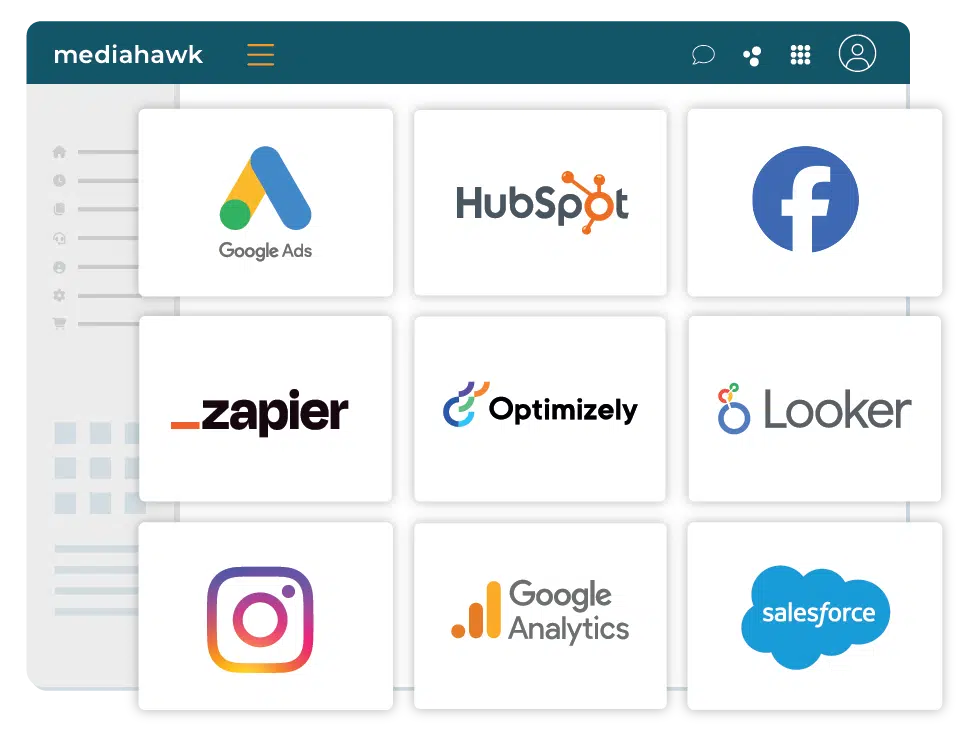 Call tracking systems integrate seamlessly with your existing marketing and sales technology stack, creating unified reporting and enhanced automation capabilities.
Google Analytics integration sends call data as conversion events, allowing you to see phone enquiries alongside website form submissions and online purchases. This provides complete conversion attribution within your existing analytics workflow.
CRM integration automatically creates lead records from phone calls, including caller details, marketing source attribution, and call outcome information. This ensures your sales team has complete context before follow-up communications.
Marketing automation platforms can trigger sequences based on call outcomes. If Speech Analytics identifies a high-intent caller who didn’t convert, automated email sequences can nurture them toward a future purchase.
Advertising platform integration feeds conversion data back to Google Ads, Facebook, and other platforms, improving their algorithms and optimisation capabilities. This creates better targeting and bidding decisions based on actual phone conversion outcomes.
Business intelligence tools can combine call data with other business metrics to provide comprehensive performance dashboards that show the complete picture of customer acquisition.
Real-time integration capabilities enable immediate action. High-value prospects can trigger instant notifications to sales teams, while poor call experiences can prompt immediate service recovery efforts.
Calculating your tracking number requirements
Determining how many tracking numbers you need depends on your website traffic and attribution requirements. Too few numbers will cause attribution accuracy to be lost, while too many will incur unnecessary costs.
- For session-based tracking, calculate based on concurrent website visitors
If you typically have 50 people browsing your website simultaneously, you need at least 50 tracking numbers to ensure each visitor sees a unique number. - Consider your call volume and duration
If callers typically speak for 10 minutes and you receive 20 calls per hour, you need additional numbers to avoid conflicts when new visitors arrive while existing callers are still connected. - Geographic considerations affect number requirements
If you serve multiple locations or want local area codes for different regions, multiply your basic requirements by the number of geographic areas you serve. - Campaign complexity increases requirements
If you’re running multiple campaigns and want campaign-specific attribution, you’ll need separate number pools for each campaign or channel.
AI-powered call insights and privacy-first tracking
Artificial intelligence is revolutionising call tracking capabilities in 2025, providing insights that go far beyond basic attribution and call counting.
 Speech Analytics
Powered by AI, Speech Analytics automatically analyses every phone conversation, identifying keywords, call outcomes, and conversion indicators. This means you can understand not just which campaigns drive calls, but which generate the highest-quality conversations and best conversion rates.- Real-time sentiment analysis
This provides immediate coaching opportunities for sales teams and instant alerts for calls that require management intervention. AI can identify frustrated callers, high-intent prospects, or calls at risk of poor outcomes. - Automated call scoring and categorisation
You could save hours of manual call review time. AI identifies successful sales calls, service enquiries, and low-quality leads, allowing you to focus optimisation efforts on campaigns that drive valuable conversations. - Privacy-first call tracking
As regulations tighten and consumer privacy expectations increase, this has become essential. Now, solutions use advanced consent management, data minimisation, and privacy-preserving analytics to provide insights while respecting caller privacy. - Unified customer journey tracking
Connect phone calls to the complete digital customer experience. AI can link phone conversations to previous website visits, email interactions, and social media engagement, creating comprehensive customer profiles that inform both marketing and sales strategies. - Predictive analytics
Identify patterns that indicate future call volume, optimal contact times, and campaigns likely to drive high-value conversations. This enables proactive staffing decisions and campaign optimisation based on predicted outcomes rather than historical data alone.
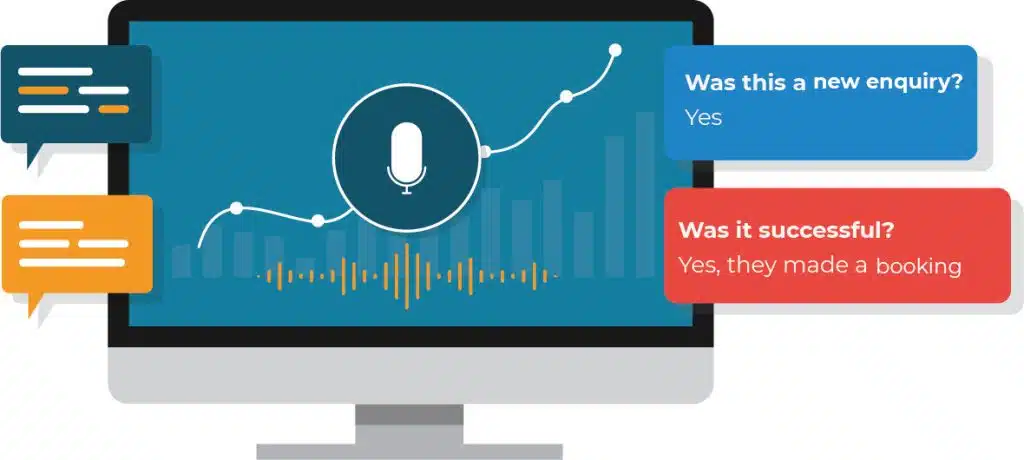 Speech Analytics
These AI capabilities transform call tracking from reactive reporting into proactive business intelligence that drives real-time decision-making across marketing, sales, and customer service teams.
Call tracking shapes the bigger picture on ROI
Data is only helpful if you’re putting it into action, of course. Call tracking allows you to fill in the gaps of your lead generation. For most businesses, goal conversion rates are generated by Google Analytics and this isn’t a fair comparison if conversions are coming from telephone enquiries.
If you know where exactly conversions originated, you can accurately measure your ROI – and ultimately this is going to help streamline your budget.
This article was originally written in 2018, and was revised and republished in July 2025.

Book a personalised demo of our comprehensive call tracking system today.