Lead management: Why it must be a priority for your car dealership


- Brief summary
- Understanding lead quality in automotive sales
- Proven strategies for improving lead quality
- You’ll give a far better customer experience
- You won’t miss any sales
- You’ll attribute every lead to its true source
- Automotive LMS: Beyond basic lead management
- AI-powered lead scoring and personalisation
- Unified customer journey and dealership integration
- Refining sales processes through lead data analysis
- You’ll get way more from your marketing budget
Lead management: does the very sight of those words cause stress and anxiety? For many automotive marketers, tracking leads through the sales funnel is a headache they could really do without.
We’ve previously talked about some alarming statistics – namely that up to 45% of unique calls into dealerships don’t get entered into a lead management system (LMS).
This obviously isn’t great for car dealership marketing success. And it certainly won’t help you demonstrate an accurate ROI for your marketing efforts.
In an ideal world, leads would manage themselves. Calls coming into the dealership would be automatically added to your lead management system, with an appropriate tag – for example ‘hot lead’ or ‘servicing enquiry’.
The days of manually adding leads to a spreadsheet – or worse, a paper-based system – would be well and truly over. Leads would no longer be missed, or forgotten about. True marketing ROI would be reported with all leads accounted for.
And the customer experience would be greatly improved too, as all leads would be responded to in a timely way by salespeople with information about each lead to hand.
Not convinced? Here are some reasons why you should be focusing effort on perfecting your lead management and marketing attribution in the coming months.
Brief summary
- Up to 45% of unique calls into dealerships don’t get entered into lead management systems, creating massive gaps in ROI measurement and missed sales opportunities
- High-quality leads show genuine purchase intent – specific vehicle enquiries, financing questions, trade-in discussions, and immediate test drive requests are worth more than casual browsers
- Lead quality beats quantity every time – one qualified lead ready to purchase within 30 days is worth more than ten casual enquiries from browsers who won’t buy for months
- Multiple contact methods increase lead capture – online test drive booking, video consultations, callback requests, live chat, and text messaging provide various engagement options
- CRM systems become the central nervous system – integrating with inventory management, service departments, financing partners, and providing real-time vehicle availability during conversations
- AI-powered lead scoring automatically prioritises prospects based on digital behaviour, demographics, and interaction history to help sales teams focus on the most likely converters first
- Speech Analytics creates voice tags to categorise sales enquiries versus service bookings, dealership locations, and specific car brands for an instant budget effectiveness overview
- Unified customer journey visibility connects initial marketing through sales, delivery, service, and future purchases to enable proactive communication and additional revenue opportunities
- Lead data analysis reveals conversion bottlenecks – identifying where prospects consistently stall (like the financing stage) indicates training opportunities and process improvements
- Complete attribution shows true marketing ROI – understanding exactly where every lead comes from enables identification of best-performing channels and marketing activities for optimal budget allocation
- Automated lead management eliminates manual entry – real-time call data and marketing information automatically flows into systems, ensuring no enquiries are missed or forgotten
Understanding lead quality in automotive sales
Not all leads are created equal, and understanding the difference between high-quality and low-quality leads is crucial for car dealerships.
High-quality automotive prospects show genuine purchase intent rather than casual browsing behaviour. These prospects have typically researched specific models, understand pricing, and are ready to discuss financing options or book test drives. They convert at higher rates and require less sales effort to close.
- Quality beats quantity every time
A single qualified lead from someone ready to purchase within 30 days is worth more than ten casual enquiries from browsers who won’t buy for months. High-quality leads also provide better customer experiences because they’re matched with appropriate vehicles and services. - Lead quality is key
Indicators include specific vehicle enquiries, financing questions, trade-in discussions, and requests for immediate test drives. Use speech analytics to identify these quality signals during phone conversations, helping your sales team prioritise their follow-up efforts. - Avoiding low-quality leads
Often, this results from poorly targeted advertising or generic marketing messages that attract browsers rather than buyers. These enquiries waste sales time and skew your conversion metrics, making it harder to identify which marketing activities truly drive revenue.
Understanding this distinction helps you optimise marketing campaigns for quality rather than volume, improving sales efficiency and ROI measurement.
Proven strategies for improving lead quality
Successful car dealerships use sophisticated digital strategies to attract higher-quality prospects and filter out casual browsers before they reach your sales team.
- Create attention-grabbing landing pages for specific vehicle types rather than generic ‘contact us’ pages. Dedicated pages for electric vehicles, family SUVs, or luxury models, attract prospects with genuine interest in those categories while providing relevant information that qualifies their intent.
- Use focused lead generation forms that qualify prospects by asking about purchase timeline, financing preferences, and specific vehicle requirements. This pre-qualification saves sales time while ensuring serious prospects receive appropriate attention.
- Leverage niche audiences on social media platforms by targeting demographics, interests, and behaviours that indicate purchase readiness. Someone researching car loans or visiting competitor websites shows higher intent than generic automotive interest targeting.
- Balance quantity and quality in paid advertising by testing different bid strategies and audience segments. Higher-cost-per-click campaigns often deliver better-quality leads because they filter out casual browsers who won’t click expensive ads.
- Ensure SEO visibility for high-intent search terms like ‘best family car under £30k’ or ‘electric vehicle financing options’. These specific queries indicate purchase readiness compared to generic searches like ‘cars for sale’.
- Capture interested leads with detailed video content showcasing vehicle features, test drive experiences, and customer testimonials. Prospects who watch complete videos show higher engagement and conversion likelihood than those who bounce quickly from your site.
- Implement chat AI to prevent qualified leads from leaving your website without making contact. Intelligent chatbots can answer immediate questions about availability, pricing, and financing while capturing contact details for follow-up.
You’ll give a far better customer experience
Having an effective lead management system (LMS) means your leads will always be in one, central system at all times. You’ll be able to access all the valuable data you need to respond to enquiries quickly and keep prospective customers moving through your pipeline.
This isn’t just better for you; it’s better for your customers, too. With all enquiries and leads at your fingertips, you’ll respond to them quicker and no-one will be forgotten (or lost in those dreaded spreadsheets).
You won’t miss any sales
Talking about dreaded spreadsheets, nothing causes leads to slip through the net faster than these outdated methods. If you fail to respond to enquiries quickly (or forget about them completely), customers will simply look elsewhere.
Car buyers expect multiple ways to engage with your dealership, and limiting contact options reduces lead capture opportunities.
- Online test drive booking
This allows prospects to schedule appointments outside business hours while providing vehicle preference and timeline information that helps your sales team prepare appropriately. - Video call consultations
Can serve customers who can’t visit immediately and are particularly valuable for busy professionals or families coordinating schedules. - Callback request functionality
Helps you capture leads from website visitors who prefer speaking to someone rather than filling out forms. This option often attracts higher-quality prospects who want immediate answers to specific questions. - Live chat integration
Can provide instant responses to common questions about availability, pricing, and features while capturing lead information for follow-up. Chat data also reveals which vehicle models and features generate the most interest. - Text messaging
These capabilities enable ongoing communication throughout the sales process and are particularly useful for appointment confirmations, document requests, and delivery coordination.
The key is ensuring all contact methods integrate with your lead management system, so no enquiry gets missed, regardless of how customers prefer to communicate.
When your leads are automatically added to your LMS, it means you no longer need to worry about manually logging their details, or remembering to follow up with them.
What’s more, when you integrate your lead management system to a call tracking and marketing attribution tool – such as Mediahawk – you’ll also get real-time call data and marketing information on every lead and enquiry.
We’ve partnered with Dealerweb, a leading automotive enquiry management provider, to enable marketers to improve their marketing performance through better lead management and data accuracy.
You’ll attribute every lead to its true source
In Mediahawk, dealerships can see and understand the entire customer journey – from marketing activity customers engage with, right through to completed sale and beyond.
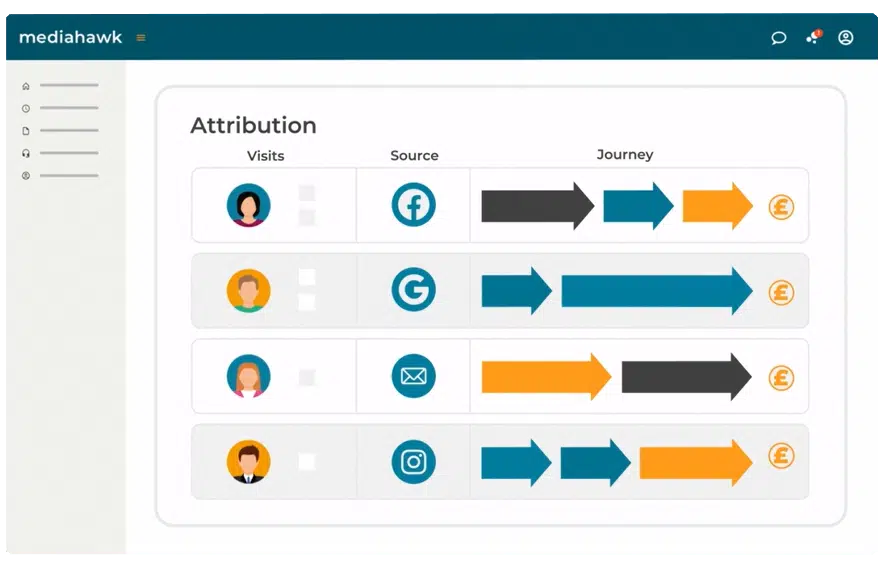 This includes the pages they viewed – giving you insight into the types of vehicles they’re interested in – conversations with your team leading up to the sale, and any other interactions beyond this point – for example, with the aftersales team or service department.
The real plus point here is knowing exactly where every lead comes from.
That’s right – lead management isn’t just about organising and processing leads more efficiently. It’s also about giving you, the marketer, a way to identify the best-performing channels and marketing activities.
Mediahawk facilitates this with its marketing attribution and sales reporting features. Working in tandem, these tools allow you to understand the full customer journey, pinpoint your most profitable marketing activities, understand the common paths to conversion, see true customer value, and much more.
Automotive LMS: Beyond basic lead management
Lead management systems do far more than store contact information – they become the central nervous system for your dealership operations.
These platforms integrate with inventory management to show real-time vehicle availability during customer conversations. Your sales team can immediately confirm stock levels, reserve vehicles, and provide accurate delivery timelines without leaving the customer conversation.
Service department integration creates comprehensive customer profiles that include purchase history, maintenance records, and warranty information. This enables proactive service reminders and helps identify opportunities for vehicle upgrades or additional services.
Key LMS features for automotive marketing success include:
- Automated follow-up sequences based on lead behaviour and timeline
- Integration with financing partners for real-time approval processes
- Mobile access for sales teams working on the lot or at customer locations
- Reporting dashboards that show conversion rates by source, salesperson, and vehicle type
- Calendar integration for test drive scheduling and service appointments
- Fully integrated with call tracking technology
LMS data reveals customer preferences and buying patterns that inform inventory decisions, marketing strategies, and sales training needs. Understanding which vehicle features matter most to your customers helps optimise both stock and sales approaches.
Integration with call tracking platforms like Mediahawk ensures every phone interaction is automatically logged with complete customer journey context, eliminating manual data entry while providing comprehensive attribution insight.
AI-powered lead scoring and personalisation
Artificial intelligence (AI) is revolutionising how car dealerships identify, score, and nurture leads throughout the sales process.
- AI lead scoring
This automatically prioritises prospects based on their digital behaviour, demographic information, and interaction history. The system identifies patterns that indicate purchase readiness, ensuring your sales team focuses on the most likely converters first. - Predictive analytics
Identify optimal contact timing by analysing when similar prospects are most likely to respond positively. This improves connection rates while reducing wasted outreach efforts on prospects not ready to buy. - Hyper-personalised communication sequences
Adapt messaging based on individual prospect behaviour and preferences. Someone researching electric vehicles receives different follow-up content than a prospect looking at performance cars, increasing relevance and engagement rates. - AI chatbots
You can qualify leads in real-time by asking intelligent questions about budget, timeline, and vehicle preferences. This pre-qualification ensures human sales representatives spend time with serious prospects while providing immediate assistance to all website visitors. - Behavioural analysis
Predict conversion likelihood by monitoring how prospects interact with your website, emails, and digital content. This intelligence helps sales teams tailor their approach and timing for maximum effectiveness. - Integration with Speech Analytics
Provides AI-powered insights from phone conversations, identifying successful sales techniques, common objections, and opportunities for process improvement across your entire sales team.
Unified customer journey and dealership integration
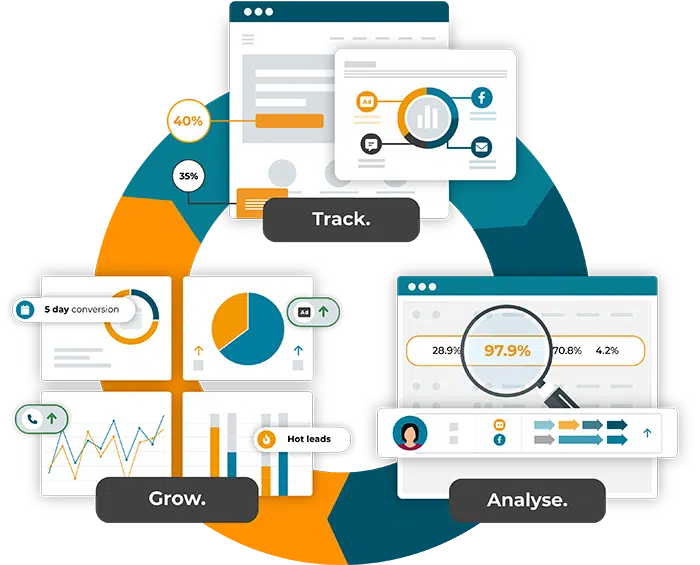 Lead management extends beyond individual prospect tracking to create unified customer experiences across all dealership touchpoints.
Complete customer journey visibility connects initial marketing interactions through sales, delivery, service, and future purchases. This comprehensive view enables proactive communication and identifies opportunities for additional revenue throughout the customer lifecycle.
Cross-departmental data sharing ensures service advisors understand how customers were acquired initially, enabling better relationship building and targeted upselling opportunities during maintenance visits.
Inventory integration with customer preferences allows automatic notifications when preferred vehicles become available, keeping qualified prospects engaged even when initial enquiries don’t immediately convert.
Service-to-sales integration identifies service customers whose vehicles might be ready for replacement, creating high-quality sales leads from existing customer relationships.
Parts and accessories integration tracks customer purchase patterns to identify opportunities for additional revenue through genuine parts, extended warranties, and accessory sales.
Finally, financial services integration streamlines the entire purchase process by connecting lead management with financing options, insurance products, and protection plans that match customer needs and budgets.
This unified approach transforms isolated lead management into comprehensive customer relationship management, maximising lifetime value while improving customer satisfaction.
Refining sales processes through lead data analysis
Lead management data provides invaluable insights for continuously improving your sales processes and training programmes.
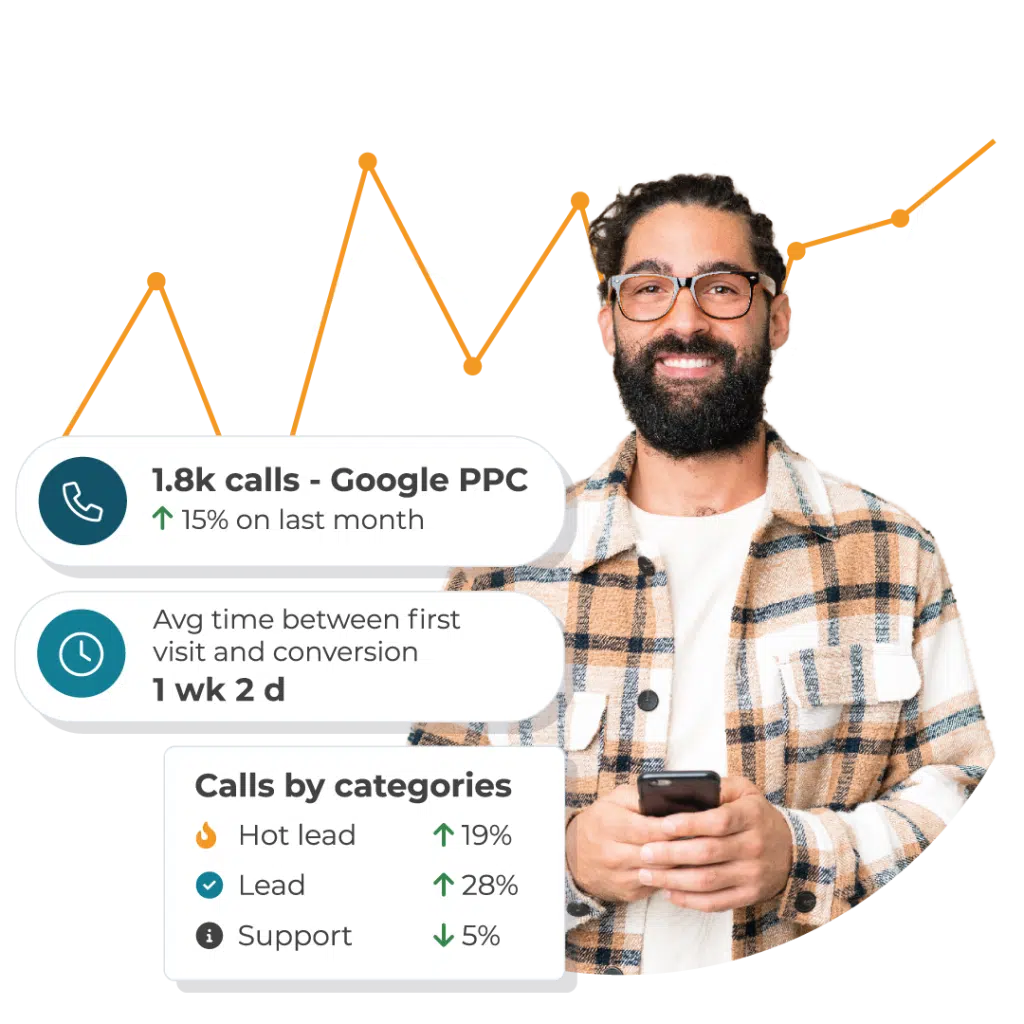
Conversion rate analysis by source reveals which marketing channels deliver the highest-quality prospects, enabling better budget allocation and campaign optimisation.
Sales stage analysis identifies bottlenecks in your conversion process. If prospects consistently stall at the financing stage, this indicates training opportunities or process improvements that could increase overall conversion rates.
Salesperson performance data shows which team members excel with different lead types, enabling better lead assignment and targeted coaching programmes. Some salespeople might excel with first-time buyers, while others perform better with luxury vehicle prospects.
Customer feedback connects lead management data with satisfaction scores and reviews, helping identify which acquisition methods produce the happiest long-term customers.
Time-to-conversion analysis reveals optimal follow-up timing and frequency for different prospect types. This intelligence helps create more effective nurturing sequences while avoiding over-communication that might drive prospects away.
Seasonal pattern recognition helps predict busy periods and adjust staffing, inventory, and marketing strategies accordingly.
You’ll get way more from your marketing budget
As marketing budgets are squeezed ever tighter, cutting wastage and maximising the effectiveness of your marketing activities is key.
Mediahawk’s Speech Analytics feature allows you to create voice tags to flag each sales enquiry and service booking. This gives you an instant overview of whether your budget is spent in areas that bring in the right kind of phone calls.
You can also create tags to categorise dealership locations and enquiries about specific car brands. With that, you can see at a glance which dealership or brand campaigns are generating the best leads.
All this means one thing: the ‘ideal world’ I spoke about earlier can be a reality. In fact, for car dealers such as AvailableCar, and Dick Lovett, it already is.
And effective lead management and 100% marketing attribution certainly can be a reality for you, if you want it to.
This article was originally published in August 2022, and was reviewed and updated in July 2025.

Get instant visibility into where your valuable inbound sales calls come from with 100% marketing attribution.